


Description
Product Overview
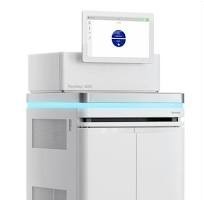
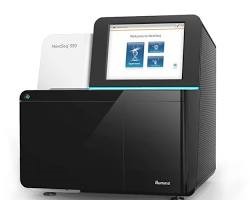
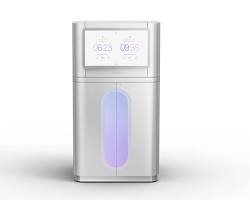
SLS’ DNA Amplification Teaching Kit demonstrates how to set up the PCR reaction and the thermal cycler machine for the amplification of desired gene fragment.
Features and Benefits
- Polymerase chain reaction (PCR) is a method widely used to rapidly make millions to billions of copies of a speci?c Region of gene, allowing scientists to take a very small sample of DNA and amplify it to a large enough amount to study in detail.
A basic PCR set-up requires several components including:
- A DNA template that contains the DNA target region to amplify
- A DNA polymerase: an enzyme that polymerizes new DNA strands;
- Two DNA primers that are complementary to the 3′ ends of each of the sense and anti-sense strands of the DNA target.
- dNTPs- the building blocks from which the DNA polymerase synthesizes a new DNA strand
- A Buffer Solution providing a suitable chemical environment for optimum activity and stability of the DNA polymerase.
- A Buffer Solution providing a suitable chemical environment for optimum activity and stability of the DNA polymerase.
The reaction is commonly carried out in a volume of 10–200 μL in small reaction tubes in a thermal cycler.